
🇲🇩 Ready to start a new adventure in Bălți? If you’re planning a move to this major city in Moldova, this comprehensive guide covers everything you need for a smooth transition.
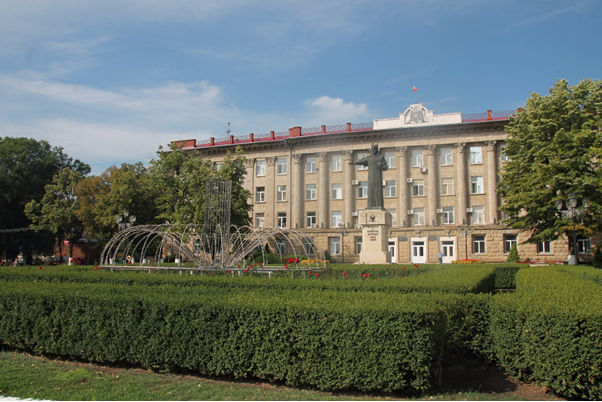
What should I know about living in Moldova at a glance?
- Flag: 🇲🇩
- Population: 125,000 (Bălți City)
- Currency: Moldovan Leu (MDL)
- Average salary: 8,000 MDL ($450)
- Live MDL ←→ Dollar: Use dynamic currency converters for the latest exchange rates
- National Bureau of Statistics of the Republic of Moldova (NBS), 2025, statistica.gov.md
- European Central Bank (ECB), 2025, ecb.europa.eu
- XE, 2025, xe.com
Reviewed by National Bureau of Statistics of the Republic of Moldova (NBS), last updated in July 2025; European Central Bank, last updated in July 2025; XE Financial Data Team, last updated in April 2025.
How Much Does It Cost to Move Your Belongings to Bălți?
The cost of relocating to Bălți depends on several factors, including shipment size, transport method, point of origin, and additional service fees. Below are typical market rates as of mid-2025:
| Shipment Method | Transit Time | Estimated Cost (USD) |
| 20-ft container | ~1–2 weeks | $1,100–$2,400 |
| 40-ft container | ~1–2 weeks | $2,100–$4,200 |
| Air freight (per kg) | Few days | $3.50–$7.50+ |
| Customs / Fees | — | $120–$450+ |
Reviewed by Freightos Market Analytics Team and Maersk Logistics Research Team, last updated in July 2025.
Use a real-time moving calculator for a tailored quote with ReloAdvisor.
Real-life case:
“I relocated to Bălți in April 2025 with about 12 cubic meters of belongings using a Less-than-Container Load (LCL) shipment. The total cost, including customs clearance and delivery to my new home in Bălți, was around $3,900. The shipment arrived in about five weeks (due to consolidation/road transit), and the moving company handled everything efficiently, making my relocation to Northern Moldova smooth and stress-free.” — Anthony S., moved in April 2025
Many people relocating to Moldova choose to settle in one of the five most popular cities for newcomers, including Chișinău, Bălți, Tiraspol, Cahul, and Comrat. These cities offer a mix of career opportunities, rich cultural heritage, scenic surroundings, and welcoming local communities.
How to understand the cost of living in Bălți?
As of mid‑2025, Bălți offers a quite affordable cost of living compared with many Western European countries. According to Numbeo, a single person living in Bălți can expect average monthly expenses excluding rent of about $557.86 (≈ 9,400 MDL). Housing is still one of the biggest costs: a one-bedroom apartment in the city centre typically costs around 6,939.4 MDL per month, while outside the centre it’s about 5,000.0 MDL.
| Category | Average Cost (Bălți, Numbeo data/estimate) |
| Monthly expenses (excluding rent, single person) | ≈ 9,400 MDL |
| One-bedroom apartment (city centre) | 6,939.4 MDL |
| Monthly public transport pass | 234 MDL |
| Average monthly net salary | 8,000.0 MDL |
Reviewed by Numbeo Data Quality Team, last updated in June 2025
How to Apply for a Visa and Meet Residency Requirements for Moldova?
Foreign nationals wishing to live, work, or study in Moldova need a visa or residence permit. Common options include work permits, student visas, and temporary or long-term residence permits.
To stay long-term, you must comply with Moldovan residency rules, including maintaining valid permits, registering your address with local authorities, and reporting any changes. Permanent residency may be available after meeting criteria such as holding a temporary permit for the required period, demonstrating stable income, and passing health and character checks.
✅ Visa info: Albanian Ministry for Europe and Foreign Affairs
📝 Application & appointments: Albanian Consular Services
Reviewed by the Ministry for Europe and Foreign Affairs, last updated in July 2025
How to Access Healthcare and Insurance Options in Moldova?
Moldova provides healthcare through a combination of public and private systems. The public healthcare system is funded primarily through mandatory health insurance contributions for residents. All residents, including foreign nationals with a long-term residence permit, are required to have health insurance through a public provider, which covers general practitioner (GP) visits, specialist care, hospital treatments, and certain medications.
Foreign residents must register with a Moldovan health insurance provider to access public healthcare services. Those not covered by public insurance, such as short-term visitors or tourists, should obtain private health insurance to ensure adequate medical coverage and access to private clinics, which are widely available in major cities like Chișinău and Bălți.
Reviewed by the Ministry of Health of the Republic of Moldova, last updated in July 2025
How to Navigate the Housing Market as a Newcomer to Bălți?
Renting a home in Bălți typically requires a security deposit of one to three months’ rent plus the first month’s payment. Tenants generally need a valid ID, proof of income, and sometimes references. Rental contracts (Contract de locațiune) are usually signed for 12 months, with utilities like electricity, water, gas, and internet usually paid separately by the tenant.
For those looking to buy property, additional costs such as notary fees, property transfer tax, and real estate commissions can add approximately 2%–5% of the purchase price.
Popular residential neighborhoods for newcomers in Bălți include:
- Centru (City Centre): The heart of Bălți, offering shopping, local services, restaurants, and a strong community feel.
- Pădurea Domnească: Known for more recent constructions, modern apartment buildings, and slightly quieter living compared to the core center.
- Dumbrava: An established residential area popular with families, offering parks and convenient access to local amenities and transport links.
Reviewed by the Numbeo Property Data, last updated in July 2025
How to Understand Your Tax and Pension Obligations in Moldova?
If you are considered a tax resident in Moldova—generally determined by having your permanent residence or staying in the country for more than 183 days in a calendar year—you are taxed on your worldwide income. Non-residents are taxed only on income earned within Moldova. Employees and self-employed individuals are also required to contribute to the mandatory pension system, which serves as compulsory retirement savings for retirement benefits.
Moldova has double taxation treaties (DTTs) with many countries to prevent individuals from being taxed twice on the same income. The State Tax Service of Moldova administers all tax obligations, including income tax, social security, health insurance contributions, and pension regulations.
| Tax Component | Description |
| Income Tax | Tax on income earned in Moldova (residents taxed on worldwide income) |
| Pension Contributions | Mandatory retirement savings for employees and self-employed individuals |
| Double Tax Treaties | Prevent double taxation of international income |
Reviewed by the State Tax Service of Moldova, last updated in April 2025
How to Comply with Customs and Duty Rules When Moving to Moldova?
When relocating to Moldova, used household goods and personal effects can generally be imported duty- and tax-free if they have been owned and used for at least 6 months and are intended solely for personal use. To qualify, you must submit a customs declaration along with a detailed inventory, a passport, and proof of residence. It is recommended that the items arrive around the time of your relocation.
New or commercial goods, high-value electronics, and certain restricted items—such as firearms, specific medications, or animal products—may be subject to customs duties or require import permits. Accurate and complete declarations are essential to avoid inspection delays, fines, or confiscation.
Reviewed by the Customs Service of the Republic of Moldova, last updated in February 2025
Real-life case:
“When I relocated from Chișinău to Bălți, I prepared a detailed inventory of all my personal belongings and submitted it along with the required customs declaration to the Moldovan Customs Service. Since my items had been owned and used for over six months, they qualified for duty- and tax-free import. My shipment by road arrived in about two weeks, and the movers handled all customs procedures efficiently. Everything was delivered to my new home in excellent condition.” — Lana K., moved in May 2025
How to Manage Pet Relocation When Moving to Moldova?
Bringing pets into Moldova requires compliance with Moldovan and EU animal health regulations to protect public and animal health. Dogs, cats, and ferrets must be microchipped, vaccinated against rabies, and accompanied by a valid veterinary health certificate issued by an authorized veterinarian. Pets entering from outside the EU may also require an import permit.
Moldova follows EU guidelines for rabies control, so pets from non-EU countries may need rabies antibody testing and, in some cases, a quarantine period depending on the country of origin. It is recommended to plan well in advance, as documentation and permit approvals can take several weeks. Many pet owners use licensed pet relocation services to ensure vaccinations, permits, and travel logistics are handled correctly.
Reviewed by the Ministry of Agriculture and Food Industry of Moldova, last updated in March 2025
How to Import a Car and Swap Your Driver’s License in Moldova?
Imported vehicles in Moldova must comply with Moldovan safety, environmental, and registration standards. Cars from outside the EU may be subject to customs duties and VAT. To register a vehicle, you must submit the vehicle title, proof of ownership, and technical compliance certificates to the State Registration Chamber. Vehicles undergo a technical inspection to confirm roadworthiness and emissions before registration.
Foreign driver’s licenses are generally valid for up to 90 days in Moldova. Long-term residents must exchange their foreign license for a Moldovan driver’s license, which may require a written and practical test depending on the country of origin.
Reviewed by the Customs Service of the Republic of Moldova and the State Registration Chamber, last updated in July 2025
How to Open a Bank Account and Obtain a Tax ID in Moldova?
Opening a bank account in Moldova is straightforward for residents and newcomers. You generally need a valid passport, proof of residence, and, if applicable, a residence permit. Major banks—Moldova Agroindbank (MAIB), Mobiasbanca, Victoriabank, and BCR Chisinau—offer services including current and savings accounts, international transfers, online and mobile banking, and customer support in English.
For tax purposes, anyone working or earning income in Moldova must obtain a tax identification number (Cod Fiscal) from the State Tax Service of Moldova. This number is required for employment, banking, and tax filing. Applications can typically be submitted in person or online with passport and residency documentation.
Reviewed by the National Bank of Moldova and the State Tax Service of Moldova, last updated in July 2025
Where can I find tools and more resources before moving?
For further guidance, make use of the volume calculator, book a video survey, or explore comprehensive guides for North Macedonia and Belarus with ReloAdvisor.