🇲🇪 Ready to start a new adventure in Montenegro? If you’re planning a move to Montenegro, this comprehensive guide covers everything you need for a smooth transition.
What should I know about living in Montenegro at a glance?
- Flag: 🇲🇪
- Population: Around 620,000
- Currency: Euro (EUR)
- Average salary: About €700–€900/month
- Live EUR ←→ Dollar: Use dynamic currency converters for the latest exchange rates
- Statistical Office of Montenegro (MONSTAT), 2025
- European Central Bank (ECB), 2025
- XE, 2025
Reviewed by Statistical Office of Montenegro (MONSTAT), last updated in July 2025; European Central Bank, last updated in July 2025; XE Financial Data Team, last updated in April 2025.
How Much Does It Cost to Move Your Belongings to Montenegro?
The cost of relocating to Montenegro depends on factors such as shipment size, transport method, origin country, and any additional relocation or customs-handling fees. Below are typical market rates in EUR as of mid-2025:
| Shipment Method | Transit Time | Estimated Cost (EUR) |
| 20-ft container | ~2–4 weeks | €1,000–€2,200 |
| 40-ft container | ~2–4 weeks | €2,000–€4,000 |
| Air freight (per kg) | Few days | €4.00–€7.50+ |
| Customs / Fees | — | €150–€400+ |
Reviewed by Freightos Market Analytics Team and Maersk Logistics Research Team, last updated in July 2025.
Use a real-time moving calculator for a tailored quote with ReloAdvisor.
Real-life case:
“I relocated to Podgorica, Montenegro, in April 2025 with about 8 cubic meters of belongings using a shared 20-ft container. The total cost, including customs processing and delivery to my new apartment, was around €1,800. The shipment arrived in about three weeks, and the moving company handled all logistics efficiently, making my relocation to Montenegro smooth and stress-free.” — Julien D., moved in April 2025
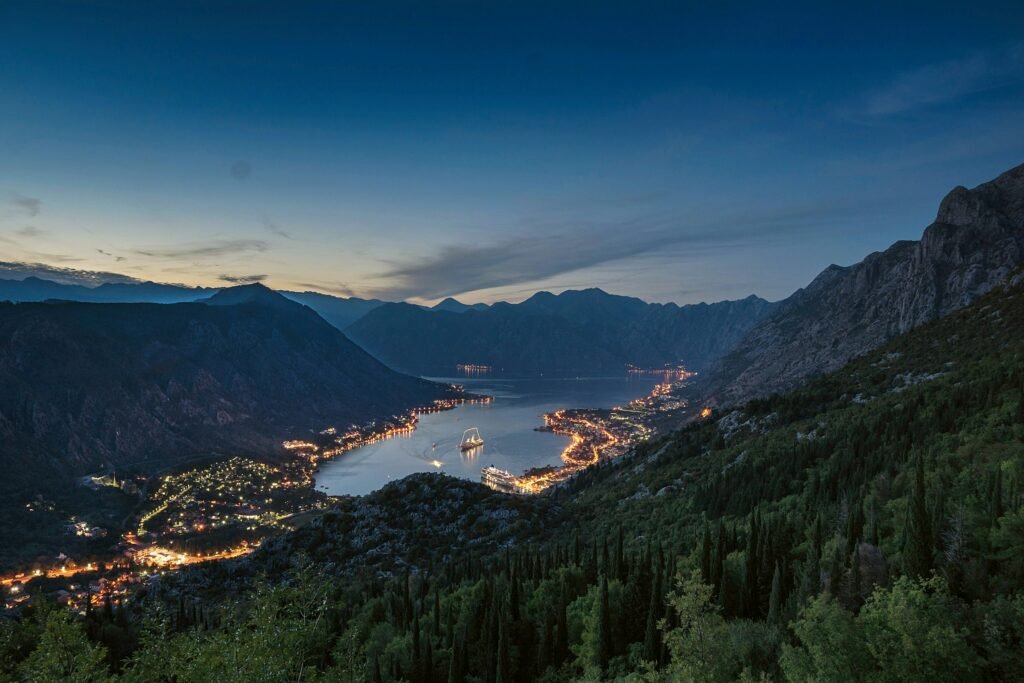
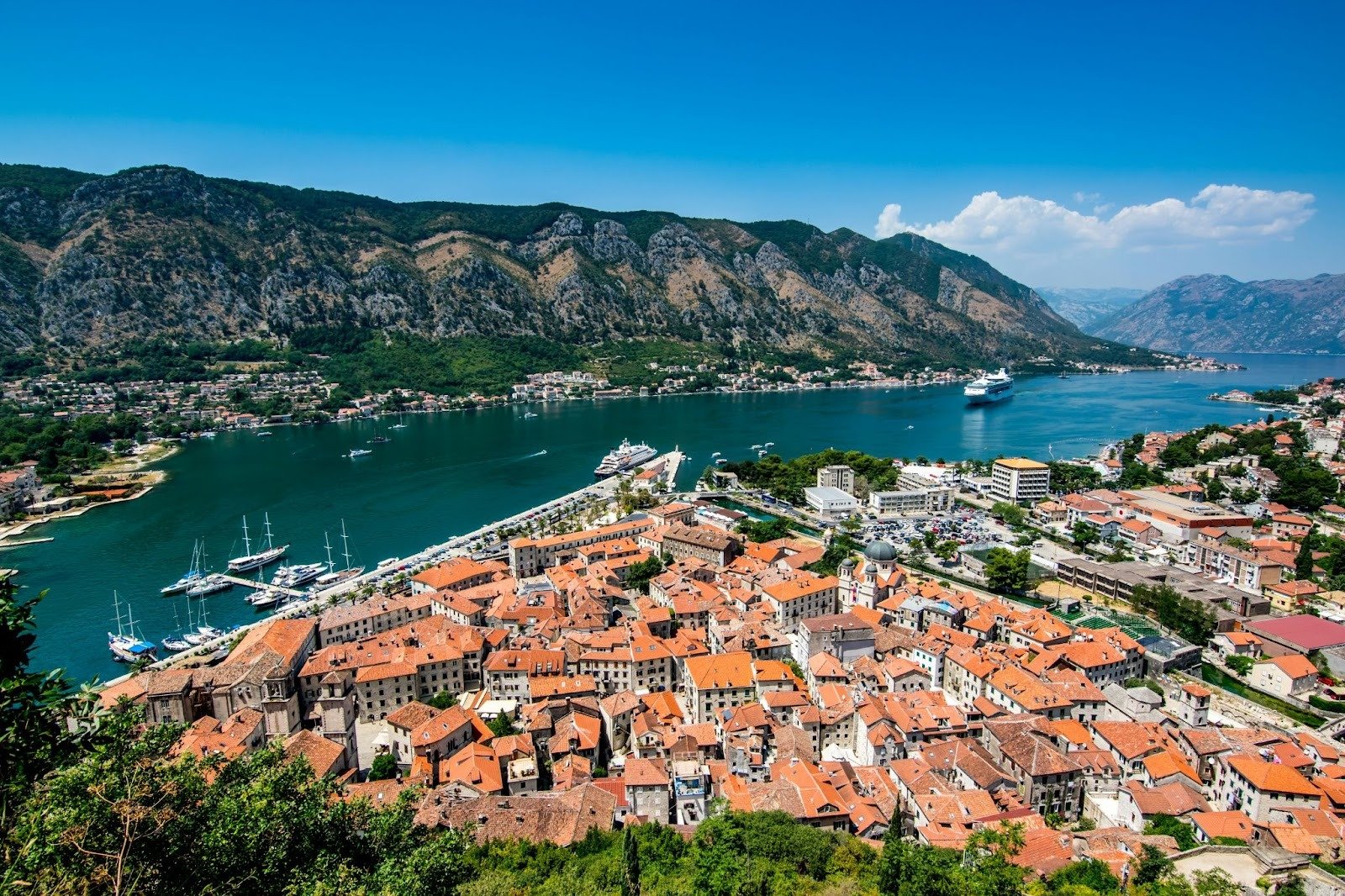
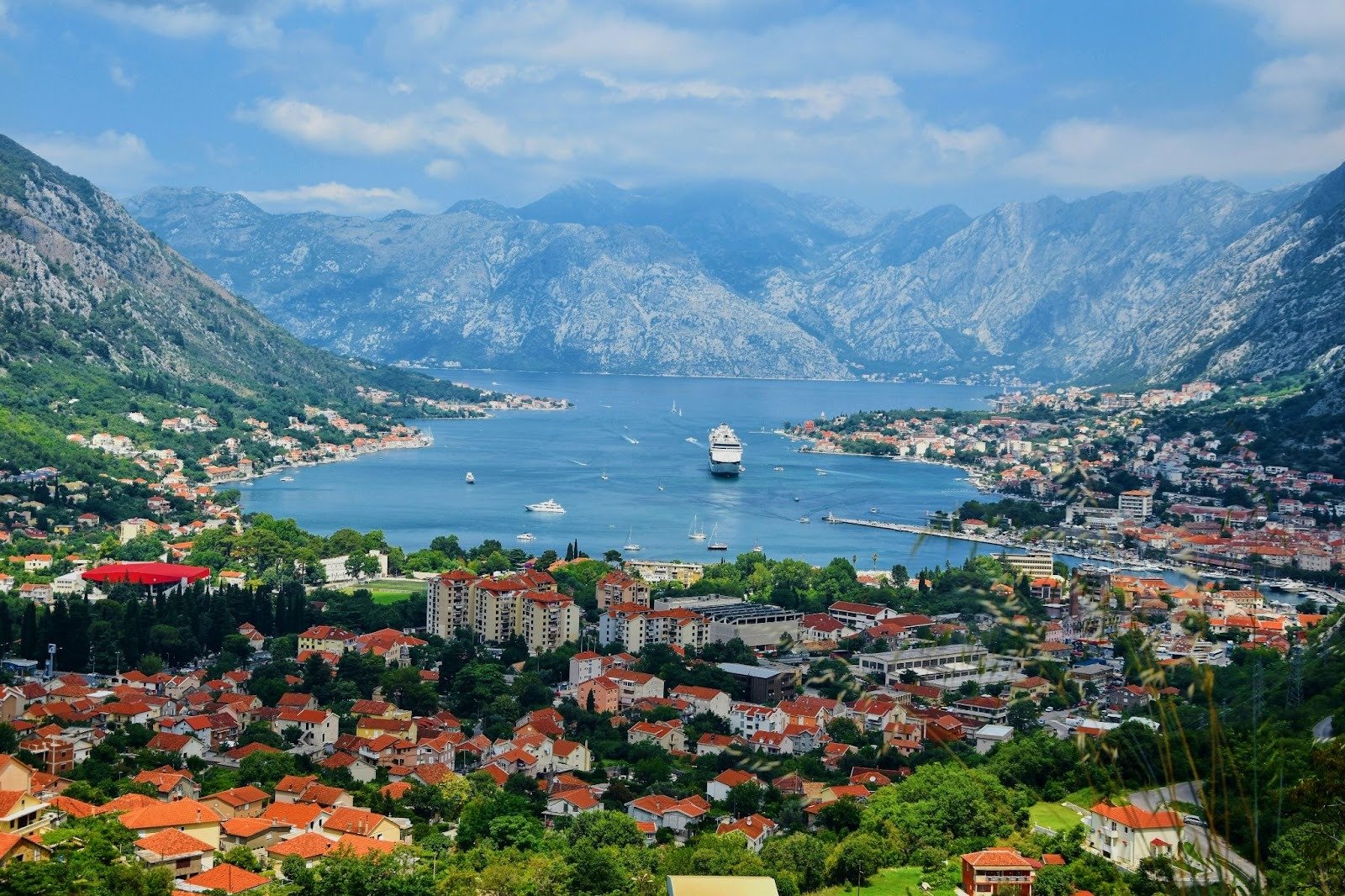
Many people relocating to Montenegro choose to settle in one of the country’s most popular areas for newcomers, including Podgorica, Budva, Kotor, Tivat, and Herceg Novi. These towns offer a strong mix of career opportunities, convenient amenities, cultural attractions, and welcoming international communities. Their combination of safety, high quality of life, and proximity to the Adriatic coast makes them especially appealing for expats beginning a new chapter in Montenegro.
How to understand the cost of living in Montenegro?
As of mid‑2025, Montenegro has a moderate cost of living. A single person can expect monthly expenses (excluding rent) of around €700–€800, while a one-bedroom city-centre apartment ranges from €350 to €700+. Public transport is limited but affordable, costing about €35/month for regional passes. With an average net salary of around €600–€650, Montenegro offers reasonable earnings. Its scenic Adriatic coast, safety, and quality services make it appealing for expats seeking a relaxed lifestyle and cultural opportunities.
| Category | Approximate Cost |
| Monthly expenses (excluding rent, single person) | ~ €750 |
| One-bedroom apartment (city centre) | ~ €350–€700+ / month |
| Monthly public transport pass | ~ €35 |
| Average monthly net salary | ~ €625 |
Reviewed by Numbeo Data Quality Team, last updated in June 2025
How to Apply for a Visa and Meet Residency Requirements for Montenegro?
Foreign nationals wishing to live, work, or study in Montenegro need a visa or residence permit. Common options include work permits, student visas, and temporary or long-term residence permits. To stay long-term, you must comply with Montenegrin residency rules, including maintaining valid permits, registering your address with local authorities, and reporting any changes.
✅ Visa & residence‑permit info: Montenegro – Citizenship and residency overview (Foreigners law) page.
📝 More information: Temporary Residence (Montenegro)
Reviewed by the Government of Montenegro, last updated in July 2025.
How to Access Healthcare and Insurance Options in Montenegro?
Montenegro provides healthcare through a public system funded by mandatory health contributions, complemented by private healthcare providers. All residents, including foreign nationals with a long-term residence permit, are required to have basic health insurance, which covers general practitioner (GP) visits, specialist care, hospital treatments, and certain medications.
Foreign residents must register with a health insurance provider to access public healthcare services. Those not covered, such as short-term visitors or tourists, should obtain private health insurance. Private clinics and hospitals are available in Podgorica, Nikšić, and other major towns.
Reviewed by the Government of Montenegro – Ministry of Health, last updated in July 2025
How to Navigate the Housing Market as a Newcomer to Montenegro?
Renting a home in Montenegro usually requires a security deposit of 1–3 months’ rent plus the first month’s payment. Tenants typically need a valid ID or passport, proof of income, and sometimes references. Leases are generally 12 months, with utilities such as electricity, water, heating, and internet usually paid separately.
Popular residential areas for newcomers include:
- Podgorica – City Centre: Trendy neighborhoods with modern apartments, restaurants, shops, cultural landmarks, and access to public services.
- Budva – Coastal Areas: Vibrant, tourist-friendly zones with beaches, nightlife, and shopping facilities.
- Nikšić – Hillside and Peripheral Areas: Scenic areas offering panoramic views, historic sites, and a calmer lifestyle.
- Herceg Novi – Suburban and Village Areas: Peaceful surroundings with green spaces, local markets, and community facilities.
- Tivat – Peripheral Areas: Residential neighborhoods with convenient commuting options and access to schools and services.
Reviewed by Numbeo Property Data and Estitor, last updated in July 2025
How to Understand Your Tax and Pension Obligations in Montenegro?
If you are considered a tax resident in Montenegro—generally determined by residing in the country for more than 183 days per year or having your main economic interests in Montenegro—you are taxed on your worldwide income. Montenegro applies a progressive personal income tax system, and residents are also subject to mandatory social security contributions, which cover pensions, healthcare, and other social benefits.
Montenegro has agreements with several countries to prevent double taxation, ensuring that residents are not taxed twice on the same income. The Montenegrin Tax Administration (Poreska Uprava Crne Gore) administers all tax obligations, including income tax, social security contributions, and pension regulations.
| Tax Component | Description |
| Social Security / Pension Contributions | Mandatory contributions covering retirement savings, healthcare, and social benefits |
| Double Tax Treaties | Prevent double taxation of international income for residents |
Reviewed by the Montenegrin Tax Administration, last updated in 2025
How to Comply with Customs and Duty Rules When Moving to Montenegro?
When relocating to Montenegro, used household goods and personal belongings can generally be imported duty- and tax-free if they have been owned and used for at least six months and are intended solely for personal use. To qualify, you must submit a customs declaration along with a detailed inventory, a passport, and proof of residence. It is recommended that your items arrive around the time of your relocation.
New or commercial goods, high-value electronics, and certain restricted items—such as firearms, specific medications, or animal products—may be subject to customs duties or require import permits. Accurate and complete declarations are essential to avoid inspection delays, fines, or confiscation.
Reviewed by the Montenegro Customs Administration, last updated in 2025
Real-life case:
“When I relocated from Bari, Italy, to Podgorica, Montenegro, in June 2025, I prepared a detailed inventory of all my personal belongings and submitted it together with the required customs declaration to the Montenegro Customs Administration. Since my items had been owned and used for more than six months, they qualified for duty- and tax-free import. My shipment by road arrived in about five days, and the moving company handled all customs procedures efficiently. — Julien L., moved in June 2025.”
How to Manage Pet Relocation When Moving to Montenegro?
Bringing pets into Montenegro requires compliance with Montenegrin and EU-aligned animal health regulations designed to protect both public and animal health. Dogs, cats, and ferrets must be microchipped, vaccinated against rabies, and accompanied by a valid veterinary health certificate issued by an authorised veterinarian. Pets entering from outside the EU or high-risk countries may also require an import permit.
Montenegro follows EU-standard rabies control rules, which means that pets arriving from countries with higher rabies risk may be required to undergo rabies antibody (titer) testing and, in some cases, a short quarantine depending on their origin. Because documentation, laboratory testing, and permit approvals can take several weeks, it is recommended to begin preparations well in advance. Many pet owners rely on professional pet relocation services to manage veterinary requirements, permits, and travel logistics.
Reviewed by the Montenegro Ministry of Agriculture, Forestry and Water Management, last updated in 2025
How to Import a Car and Swap Your Driver’s License in Montenegro?
Imported vehicles in Montenegro must comply with Montenegrin and EU safety, environmental, and registration standards. Cars from outside the EU may be subject to customs duties and VAT. To register a vehicle, you must submit the vehicle title, proof of ownership, and technical compliance certificates to the appropriate Montenegrin registration office (often the local road traffic or vehicle registration authority). Vehicles undergo a technical inspection to confirm roadworthiness and emissions before registration.
Foreign driver’s licenses are generally valid for up to 12 months in Montenegro. Long-term residents must exchange their foreign license for a Montenegrin driver’s license, which may require a written and practical test, depending on the country of origin.
Reviewed by the Montenegro Vehicle Registration and Customs Authorities, last updated in July 2025
How to Open a Bank Account and Obtain a Tax ID in Montenegro?
Opening a bank account in Montenegro is generally a smooth and accessible process for both residents and newcomers. To open an account, you typically need a valid passport, proof of address in Montenegro, and, if applicable, your residence permit. Most banks will also ask for basic personal information and a brief explanation of the account’s intended use, especially for non-residents. Major Montenegrin banks—such as Crnogorska Komercijalna Banka (CKB), NLB Banka, Hipotekarna Banka, and Prva Banka Crne Gore—offer current and savings accounts, debit cards, online banking, international transfers, and customer support in English.
For tax purposes, individuals who work, earn income, or plan to reside long-term in Montenegro must obtain a Tax Identification Number (PIB / TIN) from the Montenegro Tax Administration (Poreska uprava Crne Gore). This tax number is required for employment, opening certain types of bank accounts, property transactions, and filing taxes. You can apply for a TIN in person at the local Tax Administration office by presenting your passport, residency documents, and a completed application form. Some procedures may also be initiated online through the government’s e-administration portal.
Reviewed by the Montenegro Tax Administration and major retail banking institutions, last updated in July 2025
Where can I find tools and more resources before moving?
For further guidance, make use of the volume calculator, book a video survey, or explore comprehensive guides for Monaco and San Marino with ReloAdvisor.